

Vacant property security refers to the measures put in place to protect an empty building, lot, or industrial site from break-ins, vandalism, theft, squatting, and fire risk. In Atlanta, where commercial vacancies, construction slowdowns, and industrial turnover are common, an unoccupied property can quickly become a target. Without anyone on-site day to day, small problems can escalate before an owner even knows there’s an issue. This article walks through the most effective ways to improve vacant property security in Atlanta, from professional guard coverage to simple deterrents that work alongside it.
Key Takeaways
- – Empty buildings, lots, and warehouses in Atlanta are easy targets for break-ins, theft, and squatting once no one is monitoring them.
- – On-site or mobile security guards remain the strongest deterrent for vacant property.
- – Large or open sites are often better covered by scheduled patrol vehicle rounds than a stationary guard.
- – Lighting, signage, and basic upkeep support security guards — they don’t replace them.
- – Coverage can flex to fit the situation, from ongoing protection to short-term guard hire during a sale, renovation, or vacancy gap.
- – PSI Security Service helps property owners across Atlanta put the right combination of coverage in place.
Why Vacant Properties Are a Target in Atlanta
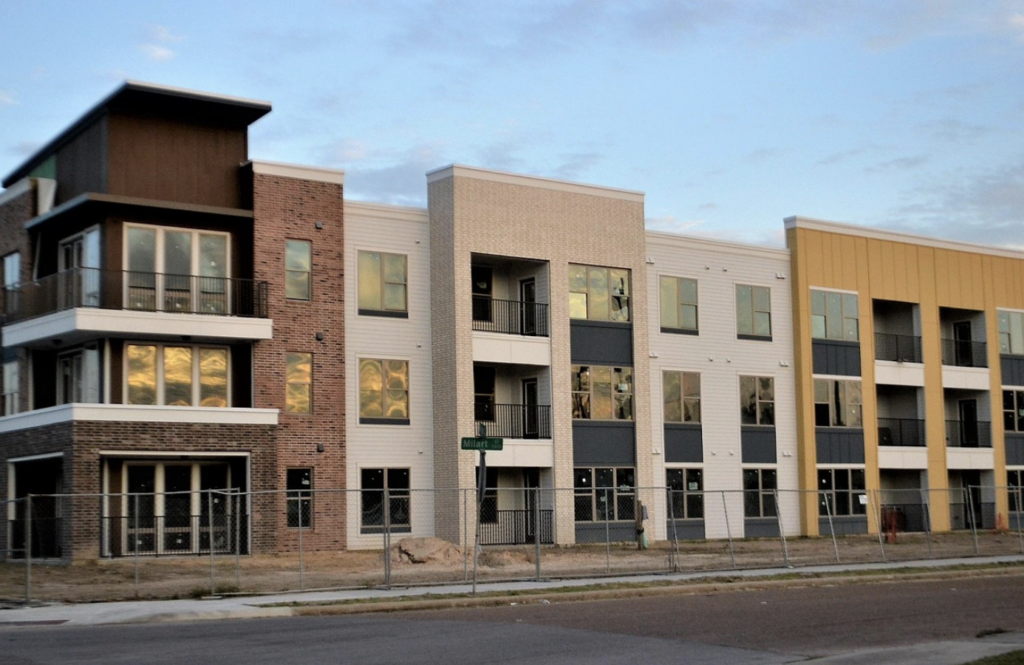
Empty buildings and lots stand out. Overgrown landscaping, a dark parking lot, or a construction site with no visible activity all signal that no one is watching. Atlanta’s mix of aging industrial corridors, retail vacancies, and active construction and development means there’s no shortage of properties sitting empty at any given time, and each one carries risk for the owner.
Beyond the direct cost of theft or vandalism, vacant property owners can also face liability if someone is injured while trespassing on the site. Broken glass, exposed wiring, unstable structures, and unsecured equipment all create hazards. Insurers increasingly expect documented security measures on vacant commercial property, which makes this as much a risk management issue as a physical security one. PSI Security Service works with property owners and managers across Georgia to reduce exactly this kind of exposure.
Common Vacant Property Security Issues
Before looking at solutions, it helps to understand what typically goes wrong on unoccupied sites:
- – Break-ins and vandalism: empty buildings are frequently targeted for graffiti, broken windows, and forced entry.
- – Squatting and unauthorized occupation: vacant buildings, especially those with damaged entry points, can attract long-term unauthorized occupants, which creates legal and safety complications.
- – Metal and equipment theft: copper wiring, HVAC units, and any left-behind equipment are common targets on vacant industrial and commercial sites.
- – Fire risk: unauthorized occupants, discarded materials, and exposed electrical components all raise fire risk on properties with no one monitoring them.
These issues overlap significantly with the broader security challenges commercial buildings face in Atlanta, whether occupied or not.
Ways to Improve Vacant Property Security in Atlanta
1. Hire On-Site or Mobile Security Guards
A visible security guard is one of the strongest deterrents available for a vacant property. Unlike cameras or alarms, a guard can intervene in real time, check identification, log activity, and respond immediately if something looks wrong. For vacant buildings in higher-risk areas, unarmed uniformed guards provide a professional, visible presence without the cost or complexity of armed coverage, which is sufficient for the vast majority of vacant property situations. Coverage can be scheduled around the times a property is most at risk, such as overnight or over weekends when the site is otherwise unattended.
2. Use Security Patrol Vehicles for Vacant Lots and Yards
Not every vacant site needs a stationary guard. Large open sites, such as vacant lots and vacant yards used for storage, staging, or future development, are often better served by scheduled vehicle patrols. A marked patrol vehicle can cover a wider area more efficiently than foot patrol, checking fence lines, gates, and equipment storage on a regular rotation throughout the day and night. This is a practical, cost-effective way to maintain vacant lot security and vacant yard security across sprawling or multi-acre properties where full-time on-site staffing isn’t necessary.
3. Secure Vacant Warehouses and Industrial Buildings
Vacant warehouse security requires a slightly different approach than a smaller commercial building. Warehouses typically have multiple entry points, loading docks, and large open interiors that are hard to monitor without a physical presence. Improving vacant warehouse security usually means combining perimeter fencing and lighting with scheduled interior and exterior guard checks, ensuring loading dock doors are secured, and confirming that any remaining equipment or inventory is accounted for on each patrol. Given how attractive warehouses are for metal theft and unauthorized entry, consistent, documented checks make a meaningful difference.
4. Protect Construction and Development Sites
Properties that are vacant while under construction or between development phases carry their own set of risks: expensive materials and equipment left on-site, partially completed structures, and gaps in fencing or access control. Construction security services address these gaps directly, providing coverage during the specific window when a site is most exposed, whether that’s overnight, over a weekend shutdown, or throughout an extended build. This kind of targeted coverage helps prevent both theft and unauthorized access while a property moves through its transition from vacant lot to finished building.
5. Install Lighting, Signage, and Basic Deterrents
Security guards and patrols are far more effective when paired with basic physical deterrents. Motion-activated lighting removes the cover of darkness that makes vacant properties attractive targets. Clear “No Trespassing” signage establishes a documented legal basis for removing anyone found on-site. Boarding up broken windows, securing loose gates, and clearing overgrown vegetation all reduce the visual cues that signal a property is unwatched. None of these steps replace professional security guards, but they meaningfully lower the baseline risk and support the guards’ work.
6. Combine Short-Term and Long-Term Coverage
Vacant property security needs aren’t always long-term. A property between tenants, mid-sale, or undergoing seasonal downtime may only need coverage for a few days or weeks rather than an ongoing contract. Flexible short-term security guard options exist precisely for these situations, allowing owners to scale coverage up during a known vulnerable period, such as a demolition, an equipment delivery, or a gap between occupants, without committing to a long-term arrangement.

Choosing the Right Security Partner in Atlanta
Not all security providers approach vacant property the same way. When evaluating a partner, look for a company that is properly licensed in Georgia, understands the specific risk patterns of Atlanta’s commercial and industrial areas, and provides detailed patrol and incident reporting so you have a documented record of coverage. Responsiveness matters too: a provider who can adjust coverage quickly as a property’s situation changes is far more useful than one locked into rigid scheduling.
Local, independent providers often have an advantage here over large national security companies, since they tend to be more directly accountable and better positioned to respond to Atlanta-specific conditions rather than applying a one-size-fits-all national model. For a closer look at how these approaches differ in practice, it’s worth comparing options directly. And for owners managing multiple types of exposure across a portfolio, understanding the range of solutions available across Atlanta’s various security challenges can help clarify which combination of guards, patrols, and deterrents fits a given property.
FAQs About Improving Vacant Property Security
What is vacant property security?
Vacant property security is the set of measures, such as guard coverage, patrol vehicles, lighting, and access control, used to protect an unoccupied building, lot, or site from break-ins, theft, vandalism, and liability risk.
How much does vacant property security cost in Atlanta?
Cost depends on the type of coverage, the size of the property, and how often it needs to be checked. On-site guards, patrol vehicles, and short-term coverage are all priced differently, so the most accurate figure comes from a site-specific quote.
Can I hire a security guard for a vacant property short-term?
Yes. Short-term guard coverage is available for situations like a property sale, a renovation, or a temporary gap between tenants, without requiring a long-term contract.
What’s the difference between patrol and on-site guard coverage for vacant lots?
On-site guards remain at a single location throughout their shift, while patrol vehicles make scheduled rounds across a property or multiple properties. Large vacant lots and yards are often better suited to patrol coverage, while buildings with valuable contents may warrant an on-site guard.
Do vacant warehouses need armed or unarmed security?
Most vacant warehouses are adequately protected with unarmed uniformed guards, whose visible presence and ability to monitor and report incidents are usually sufficient. Armed coverage is typically reserved for higher-risk situations.
Protecting Your Vacant Property in Atlanta
Improving vacant property security rarely comes down to a single fix. The most effective approach layers professional guards or patrol vehicles with basic deterrents like lighting and signage, scaled to match how long the property will actually sit vacant. Whether you’re managing a vacant warehouse, a construction site, or an open lot, PSI Security Service can help put the right combination of coverage in place for your property in Atlanta.