After-hours business security is the combination of physical barriers, lighting, technology, procedures, and – where appropriate, human patrols or guards that protect a property during the hours when employees, customers, and normal activity are absent. No single tool covers every gap; effective protection comes from layering several measures together.
Key takeaways
- Risk at a commercial property changes shape once the doors close – not because Atlanta is unsafe, but because fewer people are around to notice or respond to a problem.
- Recent Atlanta incidents show the value of physical barriers: one attempted break-in was stopped by a security gate, while a similar attempt elsewhere succeeded.
- Cameras and alarms are essential tools, but they observe and alert – they don’t replace a physical response.
- A short after-hours checklist can help any business owner spot gaps before they become a problem.
- Professional security, including mobile patrols, usually makes the most sense for larger sites, higher-value inventory, or properties with a history of incidents.

In July 2026, three masked suspects backed a rented U-Haul truck through the wall of a Castleberry Hill clothing store before making off with merchandise. In August, a similar attempt at a West Midtown designer boutique ended differently: security barricades and a drop-down gate reportedly stopped the truck before it ever breached the storefront. Two Atlanta businesses, two very different outcomes.
Most business owners think about security in terms of what happens while they’re open – greeting customers, watching the register, keeping an eye on the floor. Far fewer stop to consider what happens to the same property between closing time and the moment someone unlocks the door the next morning. That gap, whether it’s eight hours overnight or 60 hours over a long weekend, is worth a closer look.
Why After-Hours Security Matters
A commercial property doesn’t become a different building after hours, but the conditions around it change in ways that matter for security:
- Employees leave, taking with them the everyday presence that would otherwise notice something out of place.
- Customer traffic disappears, removing the informal visibility that comes with a busy sidewalk or parking lot.
- Parking areas empty out, leaving fewer witnesses and less natural activity around entrances.
- Loading docks and rear entrances sit unattended, often for the longest stretch of the day.
- Deliveries, cleaning crews, and contractors may come and go outside normal business hours, sometimes with less oversight than daytime staff.
- Many businesses stay closed for full weekends or holidays, extending the unattended window well beyond a single overnight.
None of this means every Atlanta business is at high risk. It simply means the assumptions that keep a property reasonably secure during the day – people around, activity nearby, eyes on the door – don’t apply once everyone goes home.
Common After-Hours Security Gaps
Most after-hours vulnerabilities aren’t exotic. They’re ordinary details that are easy to overlook precisely because no one is there to notice them:
- Poorly lit entrances, walkways, or parking areas
- Rear entrances and loading areas that receive far less attention than the front door
- Windows that aren’t secured or reinforced
- Doors left unlocked, propped, or improperly latched at closing
- Blind spots created by landscaping, signage, dumpsters, or building layout
- Unmonitored parking areas, especially at the rear or side of a property
- Predictable routines, such as the same closing time and closing route every night
- Valuable stock, equipment, or cash visibly left near windows or doors
- Alarm notifications that go out but that nobody is available to investigate
Walking your own property with this list in hand – ideally after dark, is one of the simplest ways to see it the way an opportunist would.
What Recent Atlanta Incidents Show
The lesson isn’t about the method used in either case. It’s about the difference between four functions any security plan should account for: detecting an incident, delaying it long enough to matter, deterring it before it starts, and responding once it happens. The West Midtown business had a physical measure in place that performed exactly the delay-and-deter role it was designed for – before any camera footage or alarm response was even needed.
Build Layers of Protection
Security professionals often describe strong protection as “layered” – not one solution, but several working together so that if one layer is bypassed, another is still in place:
- Physical: locks, gates, barriers, fencing, and reinforced entry points
- Environmental: lighting, sightlines, and landscaping that reduce blind spots
- Technology: cameras, alarms, sensors, and access control systems
- Procedural: closing checklists, key and code management, and incident response steps
- Human: employees trained on procedures, plus security personnel or mobile patrols where appropriate
No single layer guarantees protection, and no legitimate security provider should claim otherwise.
Curious about security gaps? Read our recent article covering the most overlooked commercial security gaps in Atlanta.
Cameras and Alarms Have Limits
Cameras and alarms are genuinely valuable – they monitor activity, create a record for investigators, and can alert a business owner the moment something happens. But they don’t physically intervene on their own. That’s not a flaw in the technology – it’s simply the function it’s built for.
Consider Mobile Security Patrols
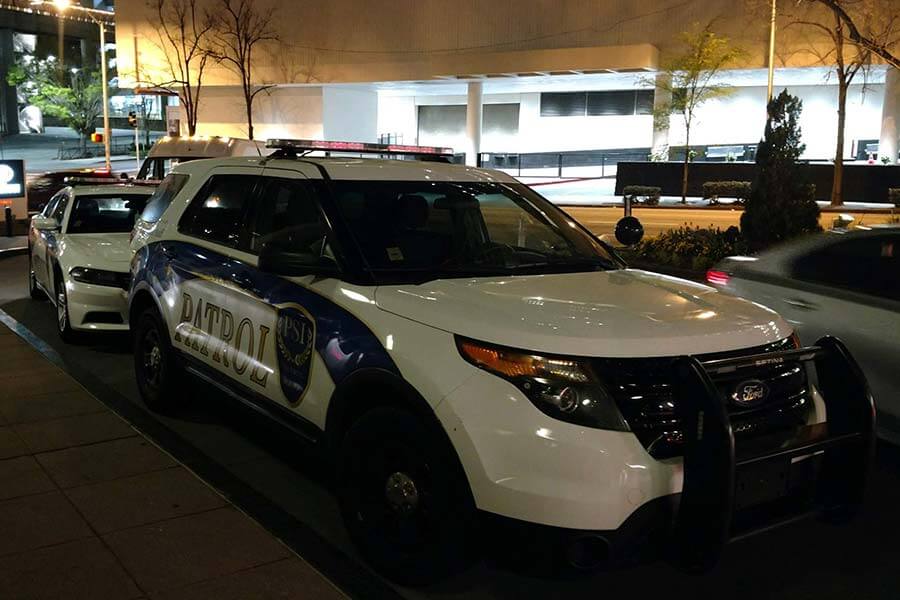
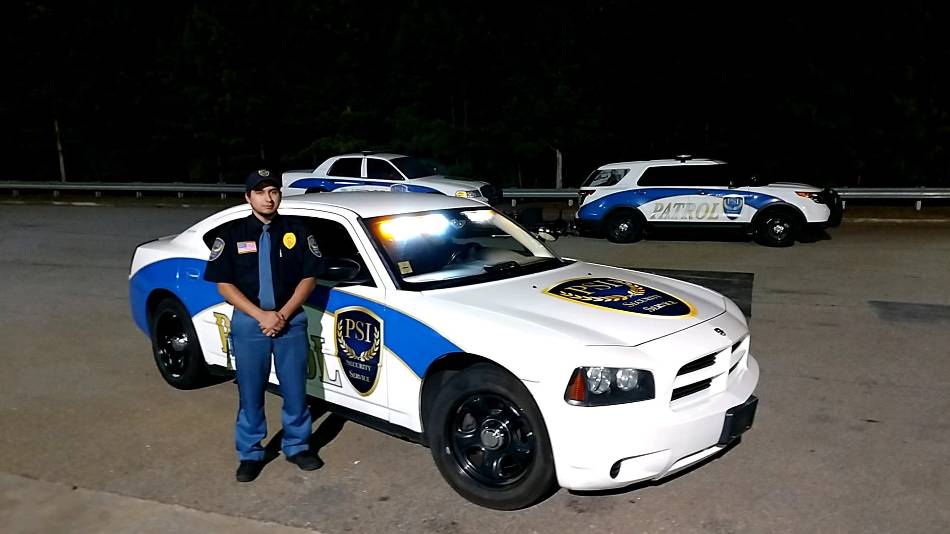
Mobile security patrols are marked vehicles that check a property on a scheduled route, a randomized schedule, or both. A visible patrol vehicle circling a parking lot or checking doors adds a layer that cameras and alarms can’t: a physical presence that can notice something in the moment and respond, rather than simply record it. A permanently stationed guard offers continuous, fixed-location coverage; a mobile patrol offers broader coverage across a property or multiple properties on a rotating basis.
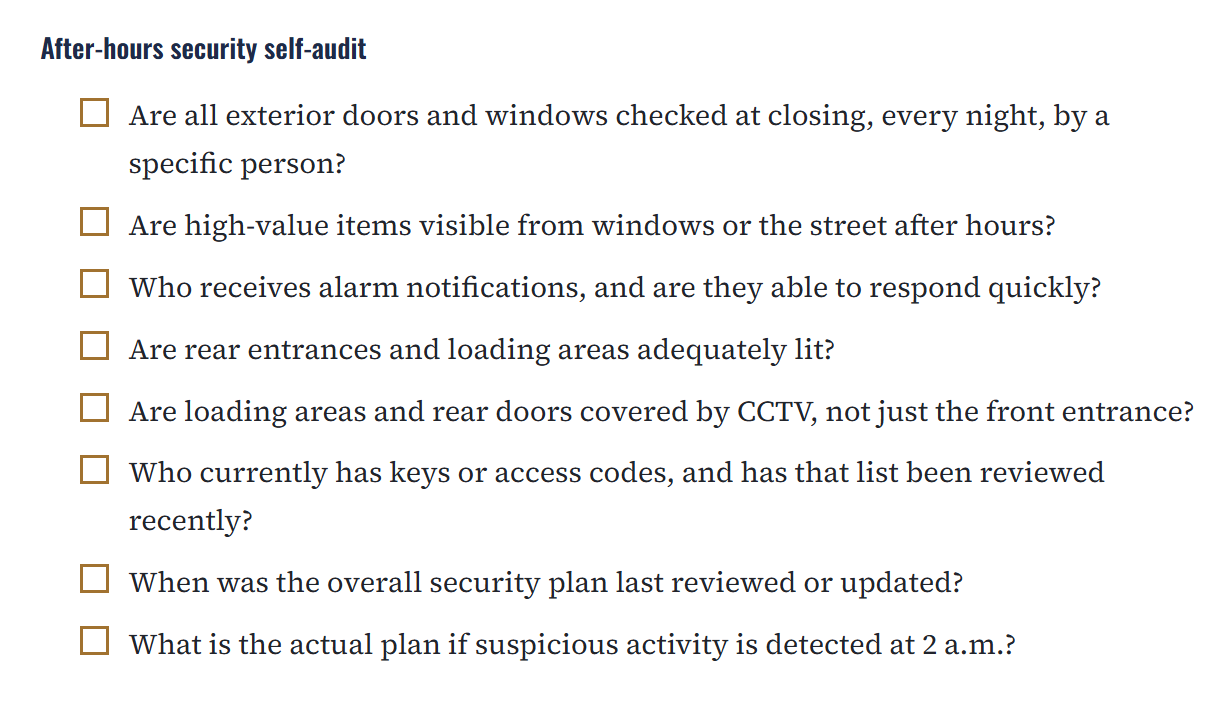
Create an After-Hours Checklist
A short, honest audit of your own property is one of the most useful things a business owner can do this week:
When Professional Security Makes Sense
Not every business needs a guard or a patrol contract. Professional coverage tends to make the most sense in situations such as:
- A business that has already experienced repeated incidents
- Sites holding valuable or easily resold inventory
- Large properties or sites that are genuinely difficult to monitor with cameras alone
- Extended vacant periods, such as between tenants or during a slow season
- Active construction or renovation, when a site is more exposed than usual
- Warehouses, multi-building campuses, or properties with large parking areas
- Temporary periods of increased exposure, such as holiday inventory
How PSI Security Can Help
PSI Security Service has provided commercial security across the Atlanta metro area since 1989. Depending on a property’s needs, PSI offers uniformed security guards, scheduled and randomized vehicle patrols, construction site security, temporary coverage, and other services designed to add whichever layer a business is missing.
Recent Articles